Your Amazon, Etsy, or Walmart account goes down overnight, revenue vanishes, and every hour without a successful appeal feels like money slipping away. In that moment, “appeal experts” like The Appeal Guru can sound like a lifeline-but also a risk if you’re unsure who’s actually legitimate and who’s just promising miracles.
This 2026 review takes a hard look at The Appeal Guru’s credibility, how their appeal process really works, what evidence exists around their success rates, and how they compare with DIY efforts and competing services. You’ll see where their support can realistically help, where it can’t, and what kind of time, documents, and involvement you should expect before trusting them with a suspended account.
In the high-stakes world of e-commerce, where a single account suspension can unravel dreams, is The Appeal Guru a beacon of hope or just another mirage? As we delve into this 2026 review, let’s dissect whether their promises stand the test of real-world scrutiny.
Reference: APPEAL GURU LIMITED – Reviews, Photos & Phone Number …
Understanding Marketplace Suspensions in 2026: Why Services Like The Appeal Guru Exist
Marketplace enforcement changes in 2026
Major marketplaces tightened trust and safety rules in 2026, making account health more fragile for even experienced sellers. Amazon expanded its AI-driven risk models, Etsy revamped its “integrity review” process, and Walmart Marketplace increased identity checks for high-volume merchants.
For example, sellers report Amazon’s bots auto-removing listings within hours of a single safety complaint, while Etsy routinely asks for invoices and supplier details before reactivating shops that sell cosmetics or children’s products.
Current top suspension and restriction triggers
The most common triggers now fall into two buckets: policy and performance. Policy issues often start with intellectual property complaints from brands enrolled in programs like Amazon Brand Registry, or with safety flags on categories such as supplements and electronics.
On the performance side, a spike in order defect rate above 1% or a late shipment rate above 4% can quickly lead to account reviews. A mid-sized brand shipping 1,000 orders a week can trip those thresholds in just a few bad days of carrier delays or warehouse errors.
Who Is The Appeal Guru? Company Background and Service Overview
Background, mission, and market positioning
The Appeal Guru is a specialized consultancy focused on helping marketplace sellers recover from account and listing suspensions, particularly on Amazon. Branded as Amazon Suspension Experts, they position themselves between DIY appeal templates and high-cost legal firms.
They’ve evolved alongside stricter enforcement of policies like Amazon’s Product Authenticity and Seller Code of Conduct, emphasizing compliant, data-backed Plans of Action. Their mission is to restore selling privileges while aligning operations with marketplace rules, not just “getting a quick reinstatement.”
Core services and platforms covered
The Appeal Guru focuses on suspension appeals across Amazon, Etsy, and Walmart, covering both account-level and ASIN/listing-level cases. A typical engagement might include root-cause analysis, drafting a detailed Plan of Action, and preparing supporting documentation such as invoices and SOPs.
They also provide ongoing compliance consulting, helping brands create prevention frameworks-such as FBA prep checklists and IP monitoring routines-so that repeat suspensions for issues like late shipment rates or intellectual property complaints become less likely.
Seller profiles The Appeal Guru typically serves
The firm works with a wide range of e‑commerce operators, from private-label brands doing $50k per month on Amazon to aggregators managing 20–30 brand portfolios. Resellers relying on wholesale distribution also use them when authenticity or sourcing documentation is challenged.
For international sellers running multi-region accounts (for example, a UK brand selling across Amazon.com, .ca, and .mx), they adapt appeals to region-specific policies and local documentation standards, which is critical when invoices or brand agreements originate outside the US.
Differentiation from generic appeal providers
Unlike generic “universal appeal” services that send the same template to every seller, The Appeal Guru builds customized Plans of Action based on the seller’s catalog, operational setup, and policy history. This includes tailoring corrective steps for issues like recurring late shipments versus safety-related product complaints.
They emphasize human expertise, using marketplace specialists familiar with internal review patterns instead of fully automated content. This approach is designed to align with what Amazon and other platforms actually expect in a persuasive, policy-compliant reinstatement request.
Is The Appeal Guru Legit? Key Legitimacy Signals and Red Flags to Check

Is The Appeal Guru Legit? Key Legitimacy Signals and Red Flags to Check
Verifying business credentials and experience
Before trusting any suspension appeal consultant, start by checking whether the firm operates as a properly registered business with a consistent online footprint. Look for a clear website, a verified LinkedIn company page, and listings on platforms like Clutch or Trustpilot that show activity over several years, not just a few months.
Legit providers usually share a business address (even if it is a virtual office via services like Regus), leadership bios, and a track record across Amazon, Etsy, and Walmart Marketplace. For example, a serious firm might highlight that its team has handled 500+ Amazon ASIN reinstatements since 2021 and includes former marketplace sellers or ex-agency consultants with verifiable profiles.
Transparency around pricing and scope
Credible appeal specialists explain their pricing model up front and put scope in writing. That often includes whether fees are flat per case, tiered by complexity, or tied to specific services like Plan of Action drafting, escalation to Amazon Executive Seller Relations, or follow-up revisions.
Ask for a simple breakdown, such as: one-time fee covering up to three POA revisions, response times within 24 business hours, and clear limits on escalations. When a provider hesitates to share basic pricing details by email or pushes only high-pressure phone sales, that is usually a warning that expectations will not be managed well.
Reading reviews and case studies in 2026
Reviews in 2026 are easier to fake, so you need to look for depth and specificity. Detailed testimonials that describe situations like “account deactivated for Amazon ODR above 1%” or “Walmart listing pulled for IP complaints from Nike” are more trustworthy than generic praise.
Cross-check feedback on sites such as Trustpilot, SiteJabber, and seller forums like the Amazon Seller Central community. Real case studies often show timelines (for example, reinstated within 9 days after three Amazon submissions) and mention categories like supplements, electronics, or apparel, which gives you more confidence the provider handles cases similar to yours.
Common red flags in appeal services
Be cautious with anyone promising guaranteed reinstatement or claiming they have “direct connections inside Amazon” or Etsy’s trust and safety team. Marketplace policies and seller help pages explicitly warn that no third party can guarantee an outcome, and Amazon has permanently banned agencies caught abusing insider access.
Walk away immediately if a consultant suggests submitting falsified invoices, fake safety certificates, or doctored supplier letters. Sellers who followed this advice on Amazon have seen funds withheld for 90+ days, permanent bans on related accounts, and even legal issues when brands like Apple or Disney pursued IP enforcement. A reliable partner will insist on accurate documentation and policy-compliant strategies only.
Reference: 3 Amazon Suspension Expert Secrets From Appeal Guru
Inside The Appeal Guru’s Process: How Their Amazon Suspension Appeal Review Works
Initial suspension review and risk assessment
The Appeal Guru begins by dissecting exactly why Amazon pulled the plug on your selling privileges. Their team closely reviews the suspension notice, your account health dashboard, policy warnings, and performance metrics like late shipment rate, cancellation rate, and valid tracking rate.
They then clarify the root cause behind the enforcement action, separating surface issues from deeper policy violations. For example, if a private-label seller of phone accessories is hit for “used sold as new,” they will check customer messages, return notes, and listing quality to see whether the problem is prep, packaging, or sourcing.
Based on this risk assessment, they advise whether reinstatement is realistic and what timeline you should expect. In her video 3 Amazon Suspension Expert Secrets From Appeal Guru, Isha explains that some listing violations can resolve in days, while complex account-level strikes for suspected IP infringement may require several appeal rounds.
Creating a custom Plan of Action
Once they understand the risk profile, The Appeal Guru drafts a fully custom Plan of Action rather than relying on templates or AI-generated text. Amazon’s investigators see thousands of near-identical appeals; boilerplate language is a common reason for silent denials.
The POA walks through past issues, specific corrective actions, and prevention steps in clear sections. For instance, a grocery brand flagged for expired items might commit to switching to FBA-only fulfillment, adding a 60-day buffer on expiry, and implementing weekly warehouse audits with dated photo logs.
Every element is aligned with what Amazon expects: detailed root-cause analysis, verifiable evidence, and concrete accountability. That means attaching invoices from authorized distributors, QC checklists, or updated SOPs, not vague promises to “do better.” This depth mirrors the structured approach Isha outlines in the Appeal Guru expert secrets session, where she stresses investigator-friendly clarity over length or emotion.
Reference: Amazon Appeal Process: How It Works and What …
Appeal Guru Success Rate in 2026: What the Numbers Really Mean
Appeal Guru Success Rate in 2026: What the Numbers Really Mean
Defining and segmenting success rates
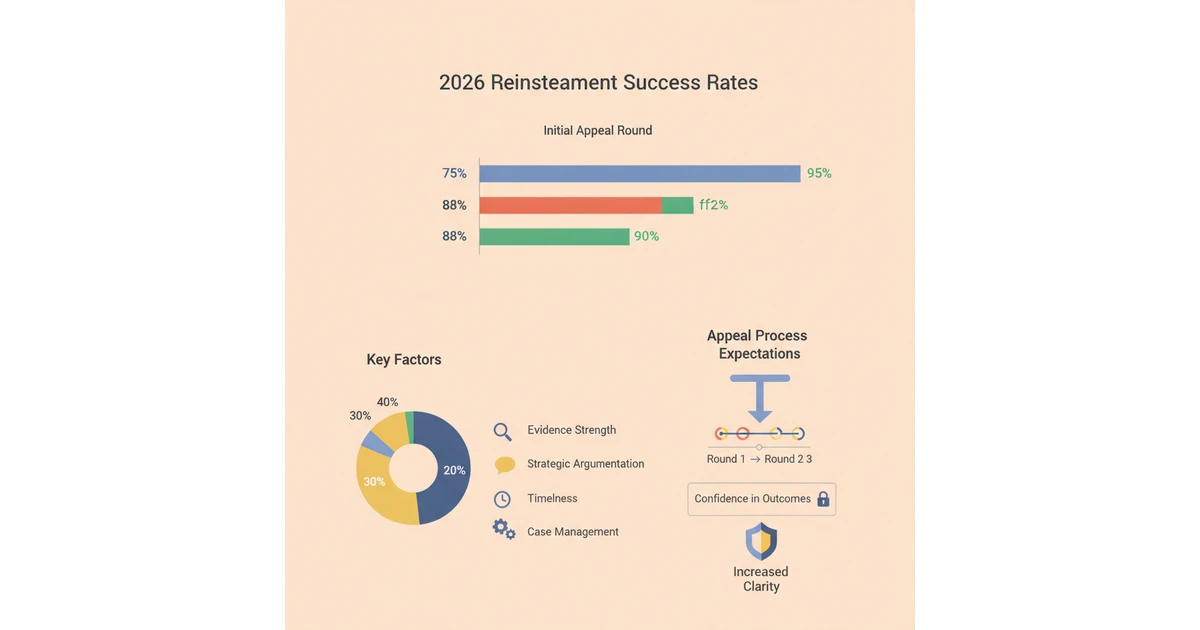
When sellers hear about a strong reinstatement record, the first question should be: “Success for which types of cases?” A listing fix on Amazon for a keyword-stuffed title is very different from an account banned for suspected fraud. Clear segmentation prevents confusion when you compare agencies or internal benchmarks.
For example, a partner might resolve 80% of listing-level issues on Amazon or Walmart, but only 40–50% of severe account deactivations tied to alleged intellectual property theft. The same provider might see higher win rates on Etsy policy disputes than on Amazon Seller Central where automated review systems are stricter.
Key factors driving reinstatement outcomes
Reinstatement odds rise sharply when account health and documentation are strong before a problem hits. Sellers who already track invoices, brand registrations, and shipping records in tools like Google Drive or HubSpot are usually able to provide Amazon or Walmart with clear proof of authenticity and operational control.
Timing also matters. A brand that responds to a deactivation notice within 24 hours, with a structured Plan of Action and invoices from wholesalers like Ingram Micro, typically outperforms a seller who waits a week and submits a one-paragraph appeal lacking root-cause analysis or preventive steps.
Reference: Numbers – Official Apple Support
Beyond Amazon: Etsy and Walmart Account Reinstatement with The Appeal Guru
Policy differences across major marketplaces
Sellers expanding beyond Amazon quickly realize that Etsy and Walmart enforce very different risk and compliance rules. A strategy that keeps you safe on Amazon can still trigger a listing removal or a full shop suspension on these other platforms.
For example, Etsy’s handmade and vintage policies mean a print-on-demand seller using Printful may be suspended if they cannot prove original design work, while Walmart may deactivate a seller over a 3% late-shipment rate even if customer feedback is positive.
Approach to Etsy listing and shop issues
The Appeal Guru structures Etsy appeals to address authenticity, handmade criteria, and content violations separately. This helps reviewers understand whether you create items yourself, rely on production partners, or curate vintage inventory.
In one real case, a jewelry seller using Alibaba suppliers avoided permanent removal by documenting design sketches, CAD files, supplier contracts, and dated Instagram posts showing concept development, giving Etsy’s Integrity team a clear originality trail.
Strategy for Walmart seller account reinstatement
Walmart’s performance teams focus heavily on on-time shipping, cancellation rates, and valid tracking. The Appeal Guru builds plans of action that map each violation to a concrete operational fix, such as switching from USPS First Class to UPS Ground for heavier SKUs.
For a mid-sized electronics brand, moving to Deliverr for 2-day fulfillment and adding a 12-hour order cutoff cut late shipments below 1%, supporting a successful reinstatement request.
Choosing one provider vs. multiple specialists
Multi-channel brands often debate whether to hire a single appeals partner or separate specialists for each marketplace. The Appeal Guru can centralize case history, documentation, and metrics across Amazon, Etsy, and Walmart while still tailoring arguments to each platform’s policies.
However, a brand selling only vintage apparel on Etsy or only grocery items via Walmart may benefit from niche expertise. In those situations, combining a broad agency for Amazon with a boutique Etsy vintage consultant or a Walmart operations specialist can yield stronger outcomes.
Reference: Etsy Suspension Appeal & Account Reinstatement
Comparing The Appeal Guru to Alternatives: DIY, Competitors, and Legal Options
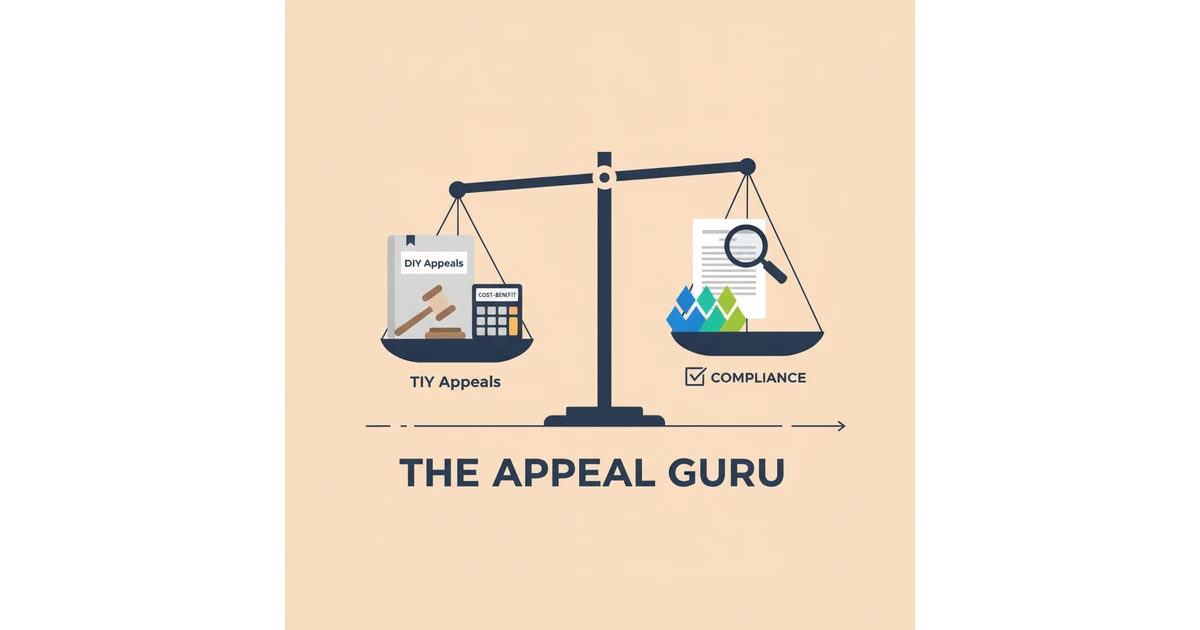
Comparing The Appeal Guru to Alternatives: DIY, Competitors, and Legal Options
DIY appeals: strengths and weaknesses
Handling a suspension yourself can work when the issue is simple and clearly documented, such as a single late-shipment spike after a winter storm. An internal account manager who knows Seller Central, reads Amazon’s policy pages carefully, and compiles evidence from tools like Helium 10 or Sellerboard can often resolve a first-time performance suspension without outside help.
Problems arise when teams misread policy language or submit emotional narratives instead of root-cause analysis. For example, a private-label brand selling phone accessories lost two weeks of sales because their first DIY Plan of Action blamed “unfair competitors” rather than addressing clear product quality complaints and packaging errors flagged in buyer messages.
How The Appeal Guru compares to other services
Many appeal providers offer generic templates and rush delivery, but lack deep marketplace strategy. Some low-cost services on Fiverr promise reinstatement for under $100, yet often recycle the same boilerplate text that Amazon’s investigators have seen hundreds of times, leading to repeated denials and escalation fatigue.
The Appeal Guru focuses on tailored narrative, data-backed root-cause breakdowns, and escalation paths for complex cases such as ASIN-level safety claims or repeat policy violations. This approach is closer to what specialized agencies serving top Amazon brands use, emphasizing operational fixes and documentation rather than surface-level copywriting.
Reference: Most Amazon problems don’t actually start with the …
How to Decide if The Appeal Guru Is Right for Your Business in 2026
Scenarios where The Appeal Guru is a strong fit
Specialized appeal support tends to deliver the most value when your Amazon or Walmart Seller account is directly tied to significant monthly revenue. If you are doing $200,000+ a month and face a sudden account suspension, each day offline can mean five‑figure losses and lost Buy Box share to competitors like Pharmapacks or Anker.
This kind of partner is also a smart fit if you are dealing with complex policy violations across multiple marketplaces, such as a brand selling on Amazon US, UK, and DE facing related compliance suspensions. It’s especially helpful when your internal team has never drafted a Plan of Action, doesn’t fully understand Account Health metrics, or has already had a generic appeal template rejected.
When you may not need them-or should look elsewhere
Some issues are simple enough to resolve in Seller Central or Seller Hub without outside help, such as a single ASIN suppressed for a missing safety document or an obvious image policy violation. In these cases, carefully following Amazon’s style guides and uploading the correct paperwork is usually sufficient.
On the other hand, if your primary challenge is unpaid sales tax, corporate structure, or an IP dispute from a rights owner like Nike or Apple, a tax CPA, business attorney, or trademark specialist is often more appropriate. These professionals can address root‑cause legal and financial exposure that appeal specialists are not licensed to handle.
Key questions to ask before hiring
Before engaging any suspension service, probe exactly what you are buying and how they will interact with your team. Ask whether they will draft a custom Plan of Action, how many revisions are included, and whether you’ll have direct access to a strategist by email, Zoom, or Slack during the process.
Request examples of recent, platform‑specific wins, such as reinstating a restricted products suspension on Amazon for a supplements brand or reversing a counterfeit claim on Walmart Marketplace. If they cannot provide anonymized case summaries describing violation type, timelines, and outcomes, consider that a red flag.
Practical decision-making checklist
Steps for a confident, low-risk choice
To make a low‑risk decision, start by searching for independent feedback in seller communities like the Amazon Seller Forum or Facebook groups such as “Amazon FBA High Rollers.” Look for consistent patterns in reviews, not just a few glowing testimonials on their own site.
Then compare the contract terms against your budget, revenue at risk, and urgency. Confirm refund policies, data‑privacy protections, and whether fees are flat‑rate or success‑based. A seven‑figure brand that cannot afford more than 48 hours of downtime will often justify a higher fee than a new seller with only a handful of SKUs.
Reference: How to appeal an Amazon account suspension in 2026
Conclusion: Is The Appeal Guru Legit and Worth It in 2026?
Summary of legitimacy and capabilities
The Appeal Guru has established itself as a credible specialist for marketplace suspension appeals, particularly for Amazon and Walmart sellers who need structured, policy-focused support. Their value lies in translating complex policy violations into clear root-cause narratives and corrective action plans that platform investigators can quickly assess.
They tend to perform best with documentation-heavy cases: for example, sellers suspended for suspected inauthentic items who must assemble invoices, supply-chain explanations, and QC procedures. Where limitations remain is with accounts carrying a long history of policy violations or confirmed rights-owner complaints, where even a strong plan of action may not overcome platform risk scoring. In the broader appeal ecosystem, they sit between generic “template letter” services and high-fee legal firms, offering professional review without courtroom-level representation.
What to expect from a professional appeal review
When you engage a specialist for an Amazon suspension appeal, the real value is in structured analysis rather than magic wording. A solid review will dissect Account Health metrics, past Performance Notifications, and policy references from the suspension notice, then map each to specific operational failures such as poor POA structure, late shipment spikes, or weak IP documentation.
Expect line-by-line feedback on your draft plan of action, guidance on supporting documents (invoices, supplier contracts, USPS or UPS delivery proof), and email support as you refine submissions. Still, outcomes depend heavily on your history. For instance, a private-label brand with one isolated late-shipment spike is far more likely to be reinstated than a reseller repeatedly flagged for safety complaints, even with expert help.
Linking reinstatement to long-term account health
A well-crafted appeal should be the starting point for stronger compliance, not a one-time rescue. Sellers who treat the appeal as an audit often rebuild systems around listings, sourcing, and customer service to prevent repeat issues. That might include standardizing supplier vetting, tightening QC checks, and aligning inventory tracking in tools like Sellerboard or SoStocked with Amazon’s metrics.
For example, a brand that once relied on handwritten QC logs might move to a shared Google Sheet and weekly performance reviews to catch rising return rates before they trigger a suspension. Embedding that discipline into SOPs, staff training, and internal checklists dramatically reduces the likelihood of another account shutdown, even during Q4 peaks.
Immediate next steps for suspended sellers
If your Amazon, Etsy, or Walmart account is currently suspended, your first move should be to pause and gather facts, not send a rushed appeal. Download Account Health reports, export order data for the last 90–180 days, and collect invoices, brand authorization letters, and shipment proofs that relate directly to the cited violations.
Before contacting any appeal provider, organize these files, write a brief timeline of events, and avoid posting sensitive details in public Facebook groups where misinformation is common. Avoid one-paragraph, emotional appeals or copied templates from Reddit threads-investigators at Amazon and Walmart see those patterns frequently and may treat them as low-quality responses, which can make subsequent, professionally guided appeals harder to land.
FAQs About The Appeal Guru and Marketplace Account Reinstatement
Legitimacy for serious violations
When an account is shut down for issues like forged invoices, unsafe products, or review manipulation, sellers often wonder whether a specialist firm is appropriate. A professional appeals team typically focuses on compliance-based arguments, root-cause analysis, and tight documentation rather than shortcuts or “insider contacts.”
For severe cases-such as Amazon flagging suspected forged Nike invoices or listing FDA‑sensitive items in Health & Household-experienced consultants usually start with a risk assessment. They clarify what’s realistically fixable and where fraud, product safety, or law-enforcement involvement means the platform is unlikely to reopen the account, even with a strong appeal.
Typical reinstatement timelines
Time to reinstatement varies widely. Straightforward listing violations, like missing safety documentation for a toy brand sold via FBA, can sometimes resolve within a few days once a structured Plan of Action and test reports are submitted. Complex account-level suspensions often sit in Amazon’s queue for one to three weeks or longer.
Seasonal volume also matters. Around Prime Day or Q4, sellers on high-traffic categories such as electronics and beauty often see reviews stretch beyond 14 days. A reputable appeal service typically sets expectations up front, sends updates after each submission, and clearly explains when a case has moved to Executive Seller Relations or a catalog compliance team.